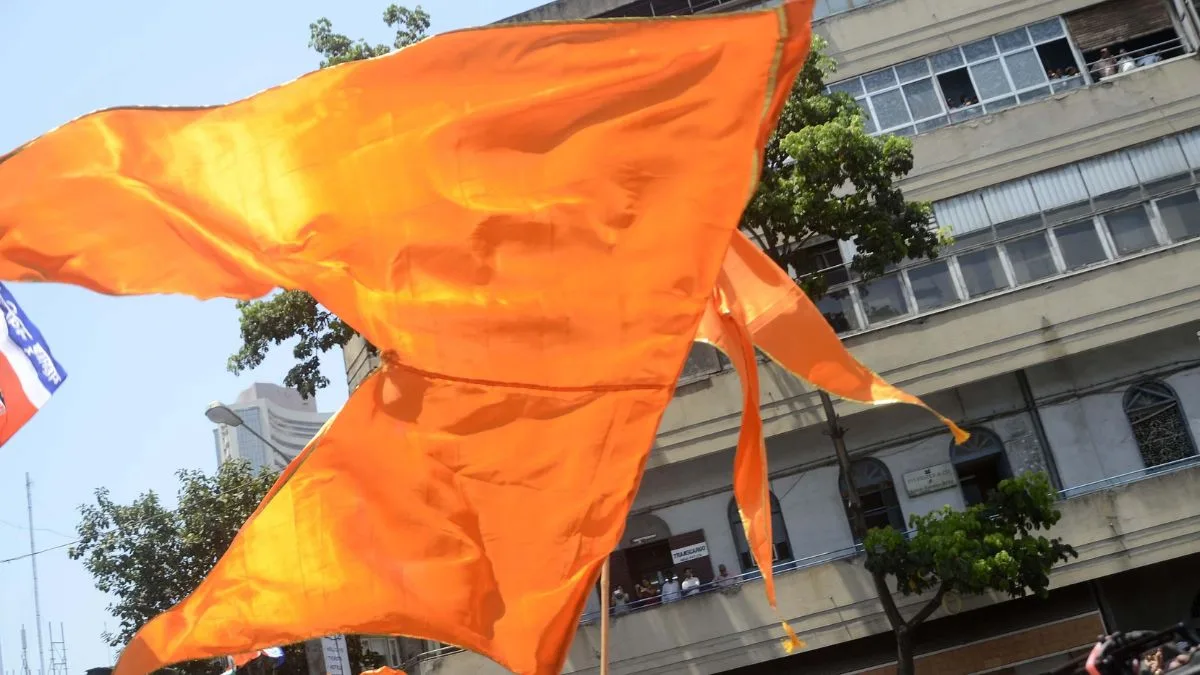
Founded by Bal Thackeray on June 19, 1966, the Shiv Sena emerged from growing concerns among Marathi-speaking people that they were losing out on jobs, economic opportunities and political influence in Mumbai to “outsiders” amid rapid migration and industrial growth.
The party initially focused on protecting Marathi identity, language and culture, building support through grassroots activism and local campaigns. Over time, it expanded beyond regional issues and became a major political force in Maharashtra. Its alliance with the BJP also saw it embrace a broader Hindu nationalist agenda.
Advertisement
As Shiv Sena marks its 60th foundation day, its history is not only a story of electoral battles and political growth but also of repeated internal revolts that reshaped both the party and Maharashtra politics. If formally approved, the move by six rebel MPs from Shiv Sena (UBT) to join the Eknath Shinde-led Shiv Sena will become the fifth major split in the party’s history.
On Thursday, six of the nine Shiv Sena (UBT) Lok Sabha MPs skipped a meeting of the parliamentary party, deepening the crisis in the Uddhav Thackeray camp. The rebel MPs have already submitted signed letters to Lok Sabha Speaker Om Birla seeking a merger with the Eknath Shinde-led Shiv Sena, which is part of the ruling NDA.
The first major rupture came in the early 1990s when senior leader Chhagan Bhujbal broke away following differences with the party leadership. More turbulence followed in 2005 when Narayan Rane, one of Shiv Sena’s most prominent leaders, exited after a bitter fallout over leadership and succession issues.
Another emotionally significant split came in 2006 when Raj Thackeray, Bal Thackeray’s nephew and widely seen by many supporters as a natural political heir, left the organisation and launched the Maharashtra Navnirman Sena (MNS). The episode highlighted growing tensions over succession and the rise of Uddhav Thackeray as the party’s central decision-maker.
The most politically consequential split, however, came in 2022 when current Deputy Chief Minister Eknath Shinde led a rebellion and aligned with the BJP, with whom Uddhav Thackeray had severed ties in 2019.
Uddhav had ended Shiv Sena’s nearly three-decade alliance with the BJP after disagreements over power-sharing following the Maharashtra Assembly election. He subsequently formed the Maha Vikas Aghadi government with the Congress and the NCP and became Chief Minister. The decision ultimately altered Maharashtra’s political landscape and the trajectory of the Shiv Sena itself.
Unlike earlier departures led by individual leaders, the Shinde rebellion directly challenged both the party’s leadership and its political direction.
“Breaking up with the BJP was perhaps Uddhav’s biggest mistake,” political observers say.
“All the splits had a common theme—leadership succession battles and the struggle for organisational control. But what hurt the party most was when Eknath Shinde jumped ship to become Chief Minister with BJP support and later gained backing from the breakaway faction of Sharad Pawar’s NCP,” they said.
Observers also point to another factor behind the last two splits. According to them, “Uddhav’s overdependence on Sanjay Raut increasingly isolated him from several other party leaders.”